
Which of the following is the single most common type of title defect?
Select one answer.
Common title defects and how to fix them
A title defect is any issue that clouds a property's ownership, making it difficult or impossible to transfer clear title. These defects are often discovered during a real estate closing or when applying for financing. If left unresolved, they can delay closings, block refinancing, or even lead to lawsuits. This guide covers the most common title defects and the practical steps you can take to fix them.
What is a title defect?
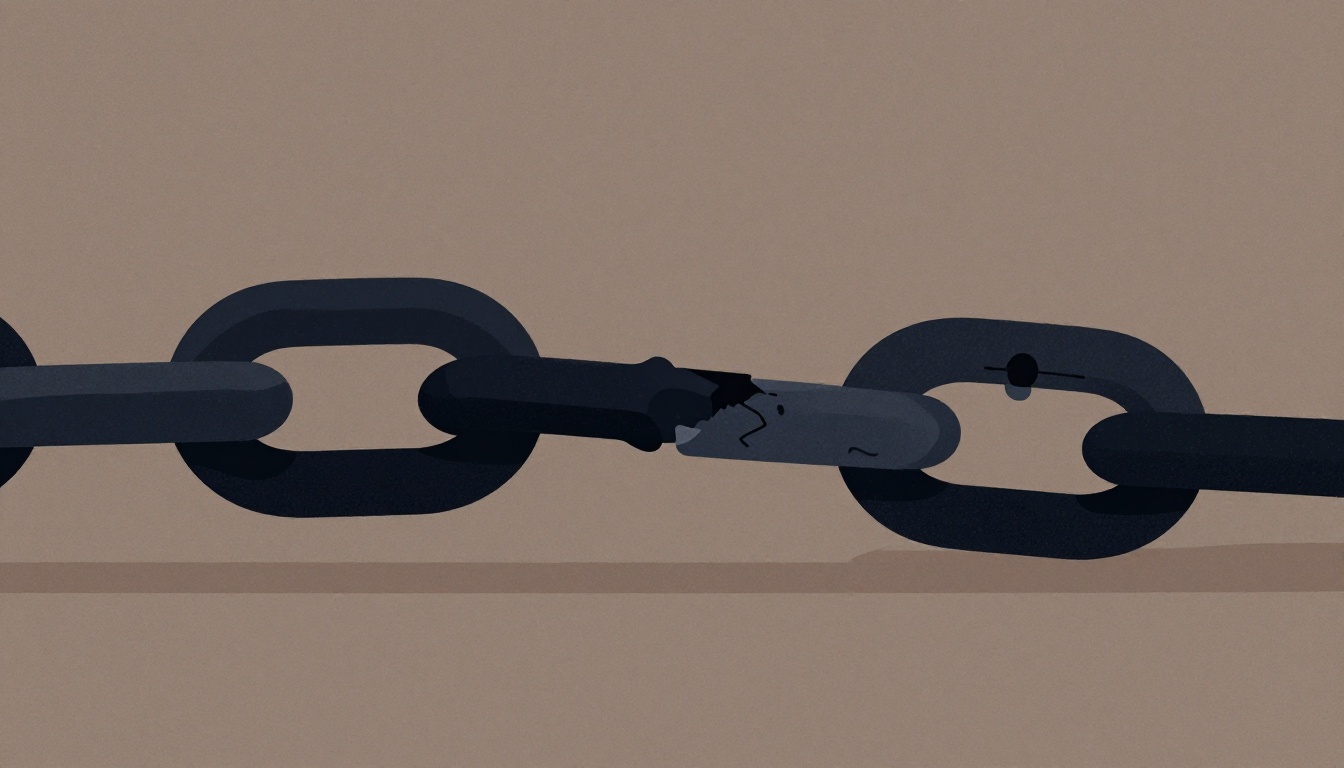
A title defect is a legal problem that challenges an owner's clear, transferable right to a property. It is also called a "cloud on title." Think of ownership as a chain stretching back through every prior owner: when one link is broken—a lien that was never paid, a deed that was never signed correctly—the chain is broken. Title defects can stem from unpaid debts, mistakes in legal documents, or disputes over property rights.
The most common title defects
1. Outstanding liens
Liens are the single most common title defect. They include unpaid contractor bills, HOA assessments, old mortgages, tax liens, and court judgments against current or prior owners. These claims can remain attached to the property even after a sale.
How to fix it: Pay off the debt and obtain a formal release of the lien. For contested or expired liens, court action may be needed. In some cases, an escrow hold can allow the closing to proceed while the seller resolves the lien.
2. Errors in public records
Clerical mistakes, incorrect legal descriptions, missing pages, or misfiled documents can cloud the title. A misspelled name or wrong legal description in a deed can invalidate ownership rights.
How to fix it: File a corrective deed or an affidavit of correction with the county recorder's office. Re-record the corrected document to ensure the public record is accurate.
3. Breaks in the chain of title
Missing links in the property's ownership history—such as unrecorded transfers or gaps—can cast doubt on who holds legal ownership.
How to fix it: A quiet title action in court can establish rightful ownership. In estate-related cases, affidavits of heirship may suffice. Title companies may also insure over the issue after a risk analysis.
4. Unknown heirs or probate issues
When a property owner dies without a clear will or without completing probate, unknown heirs may later assert ownership claims.
How to fix it: Complete probate proceedings or obtain a court determination. Title companies may require indemnity agreements or legal clearance before insuring the title.
5. Forgery and fraud
Forged signatures or fraudulent documents in the property's chain of title can threaten your legal ownership. This includes deeds signed under false pretenses or by someone without legal capacity.
How to fix it: A quiet title action is often necessary to clear fraudulent claims. Title insurance can protect against financial loss from forgery.
6. Boundary and survey disputes
Conflicts with neighbors over property lines or easements can create serious title complications. Undisclosed easements or encroachments can limit your use and enjoyment of the property.
How to fix it: Obtain a new survey to confirm boundaries. Negotiate a boundary line agreement or easement with the neighbor. If needed, a court can resolve the dispute.
How to prevent title defects
Thorough due diligence is the best way to prevent title defects. Here is a checklist of steps you can take:
- Conduct a title search: A title examiner will scour public records for any defects in the chain of title. This includes reviewing deeds, mortgages, judgments, tax liens, and probate records.
- Purchase title insurance: An owner's title insurance policy protects you against hidden defects that may not be discovered during a standard title search. It covers errors in public records, unknown liens, fraud, and missing heirs.
- Get a survey: A land survey confirms property boundaries and identifies any encroachments or easements.
- Review the title commitment: Before closing, review the title commitment carefully. It will list any exceptions or defects that need to be resolved.
- Work with a qualified professional: An experienced title abstractor or real estate attorney can identify and resolve issues before they become problems.
Quiz: Test your knowledge
Which of the following is the single most common type of title defect?
A. Boundary disputes B. Outstanding liens C. Forgery
Correct answer: B. Outstanding liens are the most common title defect, according to industry research.
How the Resident Expert Can Help
Hazelwood & Associates, LLC is an owner-operated title abstracting and mineral search firm based in Wise, Virginia, with over 14 years of experience. They provide detailed title and mineral rights investigations for residential and commercial clients across Southwest Virginia. Their BBB A+ rating reflects a commitment to clear communication and thorough work. Whether you need a comprehensive title examination or help resolving a specific defect, their local expertise can help protect your investment.